
- What It Is
- A multi-step hydration and barrier-repair facial protocol for a smooth, translucent "glass skin" finish.
- Best For
- Dull, dehydrated skin, uneven texture and enlarged pores.
- How Long It Lasts
- Visible glow immediately; full results build over a 4-6 session course.
- Downtime
- None — makeup and normal activity can resume right away.
- Where
- Punjabi Bagh & East of Kailash clinics, Delhi.
If you've been searching for Korean glass skin treatment in Delhi, you've probably noticed the term gets thrown around loosely — half the results are skincare routines you can do at home, the other half are generic "glow facials" with a trendy name attached. At Facethetics Beauty, Korean glass skin treatment is a real, structured clinical protocol I perform myself, built around your actual skin — not a one-size-fits-all facial.
I run this treatment at both Facethetics Beauty clinics — Punjabi Bagh in West Delhi and East of Kailash in South Delhi. Here's the honest breakdown of what it actually is, how it works, and whether it's right for you.
What is Korean Glass Skin Treatment?
Korean glass skin treatment is a multi-step clinical facial protocol designed to give skin that smooth, poreless, translucent look popularised by Korean skincare — hence "glass skin." It's not one product or one step; it's a layered combination of deep cleansing, exfoliation, hydration infusion and barrier repair, done in a specific sequence so each step prepares the skin for the next.
The goal isn't a one-time glow you lose by the next morning. Done properly, it's meant to visibly improve texture, tone evenness and hydration over a course of sessions, not just mask dullness for a day.
How Does Korean Glass Skin Treatment Work?
The treatment works by resetting the skin barrier and flooding it with the hydration it's usually missing. Most skin looks dull not because it needs more product, but because dead skin cells, clogged pores and a weak moisture barrier are blocking light reflection and product absorption. The Korean glass skin protocol addresses all three at once:
- Exfoliation clears dead skin cells that make the surface look rough and uneven.
- Deep cleansing (often double cleansing) removes oil, pollution and product buildup from the pores.
- Hydration infusion — using hyaluronic acid, ceramides and humectant-rich serums — plumps the skin from within.
- Barrier repair locks that hydration in so the result doesn't disappear by evening.
The result is skin that reflects light more evenly, which is what actually creates that "glass-like" appearance — it's optics as much as it is hydration.
What Happens During the Treatment?
Every session starts with a proper skin assessment — I don't run the same protocol on oily, acne-prone skin as I would on dry or sensitised skin, so this step actually changes what happens next. Here's the general sequence:
- Consultation and skin analysis — checking hydration levels, pore congestion, sensitivity and current skincare routine before deciding on the exact combination of steps.
- Double cleanse — an oil-based cleanser followed by a water-based one to fully clear the skin without stripping it.
- Gentle exfoliation — enzymatic or mild chemical exfoliation to lift dead skin without irritation.
- Extraction (if needed) — clearing congested pores where relevant, done carefully to avoid trauma to the skin.
- Hydration and serum infusion — hyaluronic acid, niacinamide or brightening actives, chosen based on your skin's specific needs.
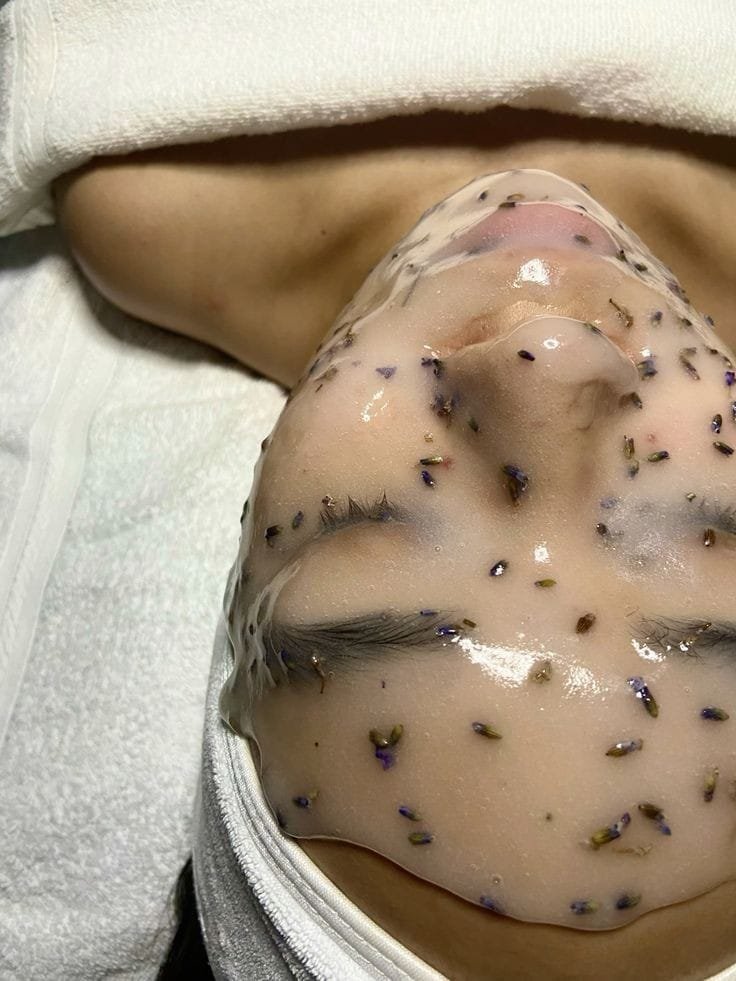
- Mask and barrier lock-in — a hydrating or soothing mask followed by a ceramide-based moisturiser to seal everything in.
- SPF application — non-negotiable before you step back outside.
The full session usually takes 60–75 minutes, and there's no downtime — you can go straight back to your day.
Skin consultation before treatment at Facethetics Beauty
Korean glass skin treatment in progress at our Delhi clinic
Benefits of Korean Glass Skin Treatment
- Smoother, more even texture — visibly reduces roughness and refines the look of pores.
- Deep hydration — addresses dehydrated, tight-feeling skin from the inside out, not just a surface mist.
- Brighter, more radiant tone — clears the buildup that makes skin look dull and tired.
- Stronger skin barrier — less sensitivity and reactivity over time as the barrier repairs.
- No downtime — you can wear makeup and return to normal activity immediately after.
- Cumulative results — each session builds on the last, so results improve with a short course rather than a single visit.
Who Can Consider This Treatment?
Korean glass skin treatment is genuinely one of the more forgiving facial treatments — most skin types tolerate it well because it's built around hydration and barrier repair rather than aggressive resurfacing. It tends to suit:
- Anyone with dull, tired-looking or dehydrated skin
- People with uneven texture or visibly enlarged pores
- Those preparing for an event and wanting a genuine glow, not a filtered one
- Patients easing into professional skincare who aren't ready for more aggressive procedures like chemical peels or lasers
- Anyone maintaining results after other treatments — it pairs well as a maintenance step between hydra facial sessions or after in-clinic procedures
It's not the right fit for active acne breakouts, open wounds, or very recently done aggressive resurfacing — I'll tell you honestly at your consultation if your skin needs something different first.
Korean Glass Skin Treatment for Different Skin Concerns
The protocol flexes depending on what your skin actually needs — the products and emphasis change, even though the core steps stay similar:
- Dull, tired skin: more emphasis on exfoliation and brightening actives to lift dead skin buildup faster.
- Dehydrated skin: heavier layering of hyaluronic acid and humectants, with a stronger focus on barrier-repair masking.
- Oily, congested skin: gentler exfoliation combined with pore-clearing extraction and lighter, non-comedogenic hydration.
- Sensitive or reactive skin: minimal exfoliation, soothing actives like centella and ceramides prioritised over active ingredients.
- Early signs of ageing: added antioxidant and peptide serums during the infusion step for extra support.
Korean Glass Skin Treatment vs Hydra Facial
These two get compared constantly because they overlap in what they're trying to fix — dullness, dehydration, congestion. The difference is emphasis and technique. A hydra facial uses a machine-based vortex system to cleanse, extract and infuse serum in one device-led step, and tends to give a more immediate, visible plumping effect. Korean glass skin treatment is more manual and layered, focused specifically on that smooth, light-reflecting finish through sequential hydration and barrier work rather than a single-device process.
Neither one is strictly "better" — hydra facial is often the faster, more mechanical route to instant glow, while Korean glass skin treatment is the more deliberate, cumulative route to that specific translucent finish. Some patients alternate between the two depending on what their skin needs that month.
Korean Glass Skin Treatment vs Chemical Peel
A chemical peel works by controlled exfoliation using acids to remove damaged outer layers of skin — it's more intensive, targets pigmentation, texture and fine lines more aggressively, and usually comes with visible peeling and some downtime depending on depth. Korean glass skin treatment is deliberately gentler — it exfoliates lightly but focuses most of its effort on hydration and barrier repair rather than deep resurfacing.
If your main concern is pigmentation, acne scarring or deeper texture issues, a chemical peel will get you there faster. If your skin's main problem is dullness, dehydration and rough texture without deeper damage, Korean glass skin treatment is the gentler, no-downtime option. I often recommend one as a lead-up or follow-up to the other, depending on your skin's condition.
Korean Glass Skin Treatment Cost in Delhi
A single Korean glass skin treatment session at Facethetics Beauty typically costs between ₹2,500 and ₹5,000, depending on the exact combination of steps your skin needs — whether extractions are involved, which hydration serums are used, and any add-on actives. If you're doing a course of sessions for lasting results, package pricing usually works out more economical than paying per visit.
I'll confirm exact pricing after a proper skin assessment at your consultation — the right combination of steps depends on what your skin actually needs, not a fixed package.
How Many Sessions May You Need?
A single session does give visible, immediate glow — but the "glass skin" effect that actually holds up over time comes from a short course rather than one visit. Most patients see meaningful, lasting improvement in texture and hydration after 4–6 sessions, spaced roughly 2–3 weeks apart, followed by a monthly maintenance session to keep results consistent. Skin that's more dehydrated or has more textural concerns to begin with may need a slightly longer initial course.
Side Effects and Aftercare
Korean glass skin treatment is low-risk and well-tolerated by most skin types. You might notice mild, temporary redness or slight tightness right after the session, which usually settles within a few hours. Because it's non-invasive with no aggressive resurfacing, there's no real downtime.
Aftercare is simple but matters:
- Apply SPF daily — non-negotiable, especially in the days right after treatment.
- Avoid harsh actives (retinol, strong acids) for 24–48 hours post-treatment.
- Keep skin hydrated with a gentle moisturiser between sessions.
- Avoid excessive sun exposure and steam/sauna for the first day.
Why Choose Facethetics Beauty?
- Doctor-assessed, not just booked. Every treatment plan starts with an actual skin assessment by me, not a fixed menu option.
- Protocol tailored to your skin, not a generic facial with a trendy name attached.
- Medical-grade products used throughout, not budget alternatives.
- Two convenient Delhi locations — Punjabi Bagh (West Delhi) and East of Kailash (South Delhi) — serving patients across West Delhi and South Delhi.
- No upselling. If your skin needs something else — a hydra facial, a peel, or nothing at all right now — I'll tell you honestly.
See a Real Treatment at Facethetics Beauty
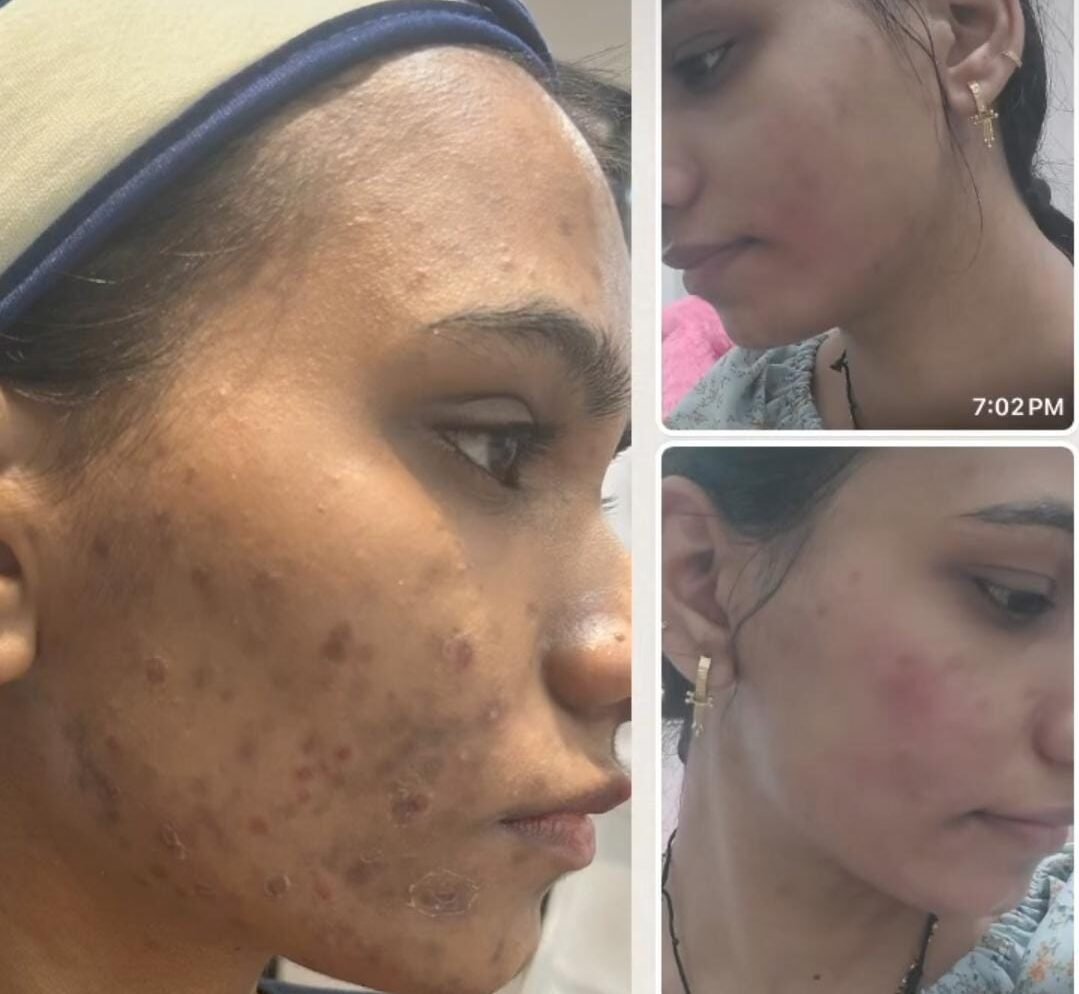
Here's an actual Korean glass skin treatment session at our clinic — from the pre-treatment prep to a patient sharing her experience afterward.
Getting set up for a Korean glass skin session
A patient on her Korean glass skin treatment experience
Frequently Asked Questions
What is Korean glass skin treatment?
It's a multi-step clinical facial protocol combining deep cleansing, gentle exfoliation, hydration infusion and barrier repair to give skin a smooth, poreless, light-reflecting finish — the "glass skin" look popularised by Korean skincare.
How much does Korean glass skin treatment cost in Delhi?
A single session typically costs between ₹2,500 and ₹5,000 at Facethetics Beauty, depending on what your skin needs. I'll confirm the exact price after assessing your skin at consultation.
Is Korean glass skin treatment the same as a Korean glass skin facial?
Yes — "Korean glass skin facial" and "Korean glass skin treatment" refer to the same protocol. At Facethetics Beauty, it's performed as a structured clinical treatment rather than a standard salon facial.
How many sessions do I need to see results?
A single session gives visible glow immediately, but lasting improvement in texture and hydration typically needs 4–6 sessions spaced 2–3 weeks apart, followed by monthly maintenance.
Is there any downtime?
No. You may see mild, temporary redness right after the session, but there's no peeling or recovery period — you can wear makeup and return to your day immediately.
Korean glass skin treatment vs hydra facial — which should I choose?
Hydra facial uses a machine-based process for faster, more immediate plumping. Korean glass skin treatment is more manual and layered, focused on that specific smooth, translucent finish through cumulative hydration and barrier work. Many patients alternate between both depending on what their skin needs.
Can I get Korean glass skin treatment in South Delhi or West Delhi?
Yes — Facethetics Beauty offers this treatment at both clinics: East of Kailash in South Delhi and Punjabi Bagh in West Delhi.
Who should avoid this treatment?
Patients with active acne breakouts, open wounds, or very recent aggressive resurfacing should hold off. I'll assess your skin honestly at consultation and recommend an alternative if this isn't the right fit yet.
Visit Us
Both Facethetics Beauty clinics — Punjabi Bagh in West Delhi and East of Kailash in South Delhi — take appointments daily. Google lists Punjabi Bagh as open 9 am to 9 pm and East of Kailash as open 9 am to 8 pm, so check the listing or call before visiting on a public holiday. Book a consultation and see what a proper, doctor-assessed Korean glass skin treatment actually looks like.